
With food prices on the rise, many families are looking for ways to reduce their monthly costs – starting with the grocery bill. One effective way to cut food costs is to grow some of the ingredients on your shopping list in the comfort of your own kitchen! You don’t need a large garden to grow your own herbs. With a little preparation and creativity, you can create a DIY kitchen herb garden that is both a compact and efficient solution to your problem! Why spend your hard-earned money on herbs when you can easily grow and harvest them yourself (with only a few start-up costs!)?
To help you get started, Kitchen Cabinet Kings has put together a guide to growing herbs indoors, covering everything from planting your herb garden to harvesting your aromatic herbs.
Getting started with growing herbs indoors

The thought of growing your own herbs can be intimidating, especially if you don’t feel like you have a green thumb. Fortunately, with a little preparation and knowledge, you can have a lush kitchen garden in no time. If you’re new to indoor gardening, one of the most important factors is deciding where to plant your herb garden. You may have limited space in your kitchen, and that’s totally fine—just make sure the space gets plenty of natural light.
If you don’t get natural light (or you want to hide the garden in a closet so your work surface stays clutter-free), consider using an artificial grow light that will provide the necessary light when needed. Remember that if you want to grow your herbs in a closet, you’ll also need to consider the temperature and humidity inside the closet.
Once you’ve chosen your location, it’s time to get the ideal containers for your herbs. You’ll want to use a container that offers drainage at the bottom to avoid waterlogging, which can lead to root rot. If necessary, place a tray underneath the containers to catch excess water and prevent damage to your cabinet or countertop. Fill your containers with potting soil purchased from your local home improvement store.
Then comes the fun part: you decide which herbs you want to grow!
Choosing the right herbs for your DIY garden
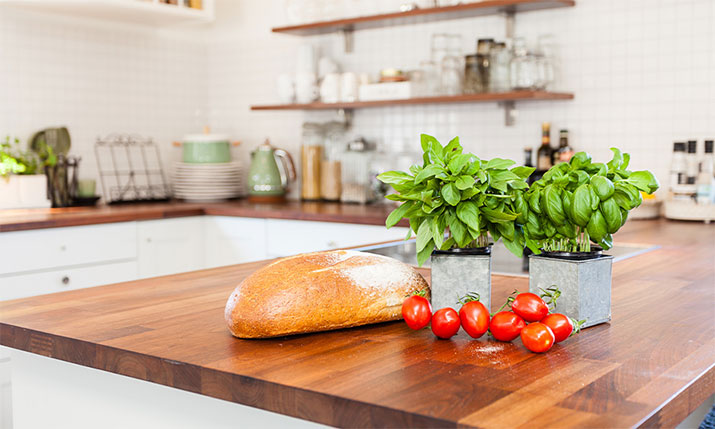
What are your favorite recipes? Are there any that you repeat every week? Think about which herbs are used most often in your recipes. You should also consider which herbs thrive when planted together, how much space they take up, and which are best for growing indoors.
Mixed culture
Companion planting is a gardening strategy that involves growing different herbs together in the same container so that they can grow and thrive off of each other. This gardening practice takes advantage of the natural interactions between certain herbs and plants to create a harmonious garden. A common combination in companion planting is basil and tomatoes. For example, with basil and tomatoes, growing them together not only improves the flavor but also keeps away pests that can harm your garden. When deciding which herbs to grow, consider some that are companion planted.
growth
Depending on how much space you have available for your indoor garden, you’ll want to pay attention to how certain plants grow. You may have limited space and need to opt for shorter varieties like chives or parsley, but if you have taller cabinets, you can grow rosemary or thyme. In any case, we recommend grouping similar-sized plants together in the same containers, which makes harvesting easier.
Popular varieties
In addition to determining which types of herbs are most commonly on your grocery list, it can also be helpful to know which types of herbs are most popular with home gardeners. Most commonly, we see mint, basil, chives, cilantro and thyme grown in a kitchen herb garden because each of these options is so versatile. They can be easily grown in a small space and add a lot of flavor to a variety of dishes and recipes.
Caring for your kitchen herb garden
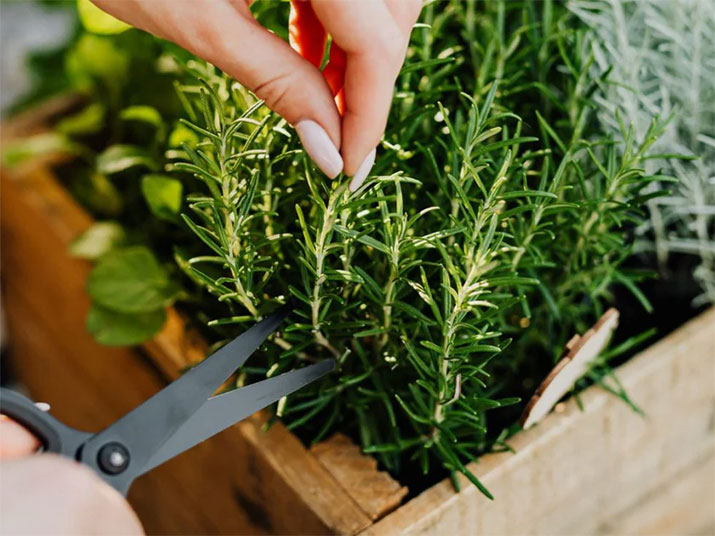
There are three important aspects to consider when maintaining your kitchen herb garden: watering, monitoring and maintenance, and harvesting.
Don’t worry if you don’t have a green thumb—we’ve got tips to help you fake it until you do! Watering is the easiest time of year to do something wrong. Too little water can dry out your garden, leaving your herbs without enough to grow. And too much water can drown your plants or cause root rot. You need to find a perfect balance when watering. Herbs prefer slightly moist soil, so we recommend checking the top 1 inch of soil in the container regularly to determine when you next need to water your vegetable garden. The top 1 inch should always feel a little moist, so if you notice it getting dry, give your garden some love.
Since this is an indoor garden, you will likely have fewer problems with pests than you would in an outdoor garden. However, we recommend that you monitor your plants for signs of pests or disease. By taking care of any problems with your herbs early, you can intervene and ensure that not all of your herbs suffer. You also need to make sure that you prune herbs as needed, cutting off any leaves or stems with scissors.
And last but not least, you need to feel confident harvesting your herbs so you can reap the rewards of your gardening labor! When it comes to harvesting your kitchen garden, timing is key to getting the best flavor. Just before the herbs bloom is when you should start harvesting. Each type of herb harvests a little differently, so be sure to check which varieties you planted for optimal instructions. Remember, you can use your herbs fresh in this week’s recipes or dry them to use later.
frequently asked Questions
Which herbs are best for the kitchen garden?
The most popular herbs for a home-grown kitchen garden include mint, basil, chives, coriander and thyme. These herbs fit well in tight spaces and are versatile in the kitchen.
Which herbs are easiest for a hobby gardener to grow?
Gardening can be overwhelming if you’ve never done it before, so we recommend starting with some of our favorite easy-to-grow herbs. Consider growing mint, basil, chives, parsley, thyme, rosemary, oregano, and cilantro. These options are fairly straightforward for new gardeners and can help you get your bearings before venturing into the world of kitchen gardening.
Can I plant different herbs together in one pot?
Yes, you can plant multiple types of herbs in the same container. It doesn’t matter which ones you plant together – you can mix and match. However, there are a number of herbs and plants that have benefits when planted together, such as basil and tomatoes. If you’re interested in companion planting, pick a few varieties and make sure you combine the right herbs in each container.
What tools should I use to prune and harvest my garden?
If in doubt, you can use regular scissors or kitchen shears to trim leaves or stems from your homemade garden, but specialty gardening tools can be more efficient. You can invest in a pair of garden shears, herb scissors, pruning shears, a harvesting knife, or a paring knife. Each of these tools can be helpful with different types of herbs and allow for clean cuts without damaging the plant.
The post “How to Create a DIY Kitchen Herb Garden for Beginners” first appeared on the Kitchen Cabinet Kings blog.